Waste Management

Waste Management

Responsible Waste Practices for a Cleaner and Sustainable Environment

Waste management is the systematic process of collecting, segregating, treating, recycling, and safely disposing of waste in a way that minimizes environmental impact and supports sustainability. It plays a crucial role in reducing pollution, conserving natural resources, and maintaining clean and healthy surroundings for communities and ecosystems.

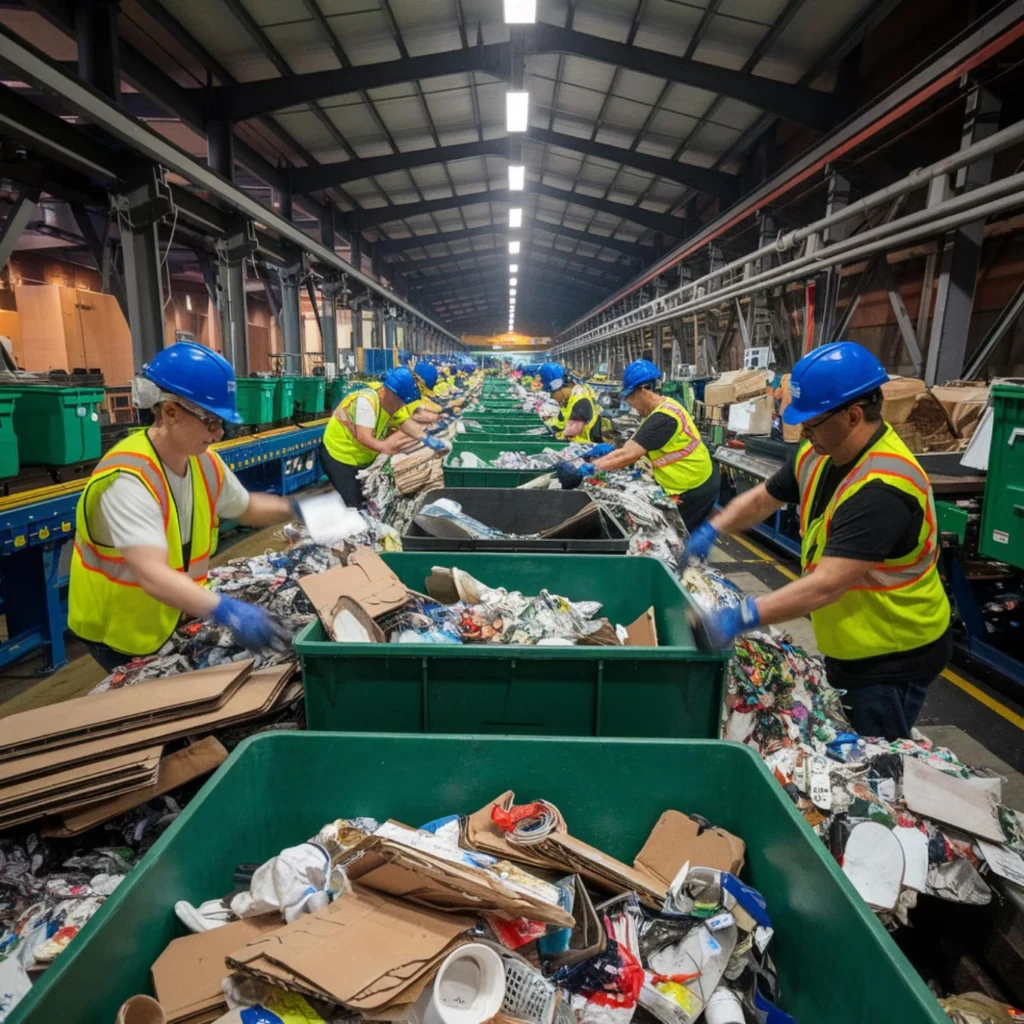
Effective waste management begins with proper segregation at the source, enabling recyclable and reusable materials to be recovered and reducing the volume of waste sent to landfills. Recycling and reuse help lower the demand for raw materials, conserve energy, and reduce greenhouse gas emissions. Organic waste management further supports composting and sustainable disposal methods.
Benefits of Waste Management

Reducing Waste, Protecting the Environment, and Supporting Sustainability

1.

Reduces Environmental Pollution

Proper waste management minimizes soil, water, and air pollution by ensuring safe collection, treatment, and disposal of waste.

2.

Encourages Recycling and Reuse

Segregation and recycling reduce the need for raw materials, conserve natural resources, and support a circular economy.

3.

Protects Public Health

Safe handling and disposal of waste reduce health risks by preventing the spread of infections, toxins, and harmful pollutants.

4.

Conserves Natural Resources

By recycling materials and reducing landfill waste, waste management helps preserve valuable natural resources for future use.

5.

Lowers Operational Costs

Efficient waste handling and recycling programs can reduce disposal costs and improve overall operational efficiency.

6.

Ensures Regulatory Compliance

Following waste management regulations helps organizations meet legal requirements and avoid penalties.