Water Management
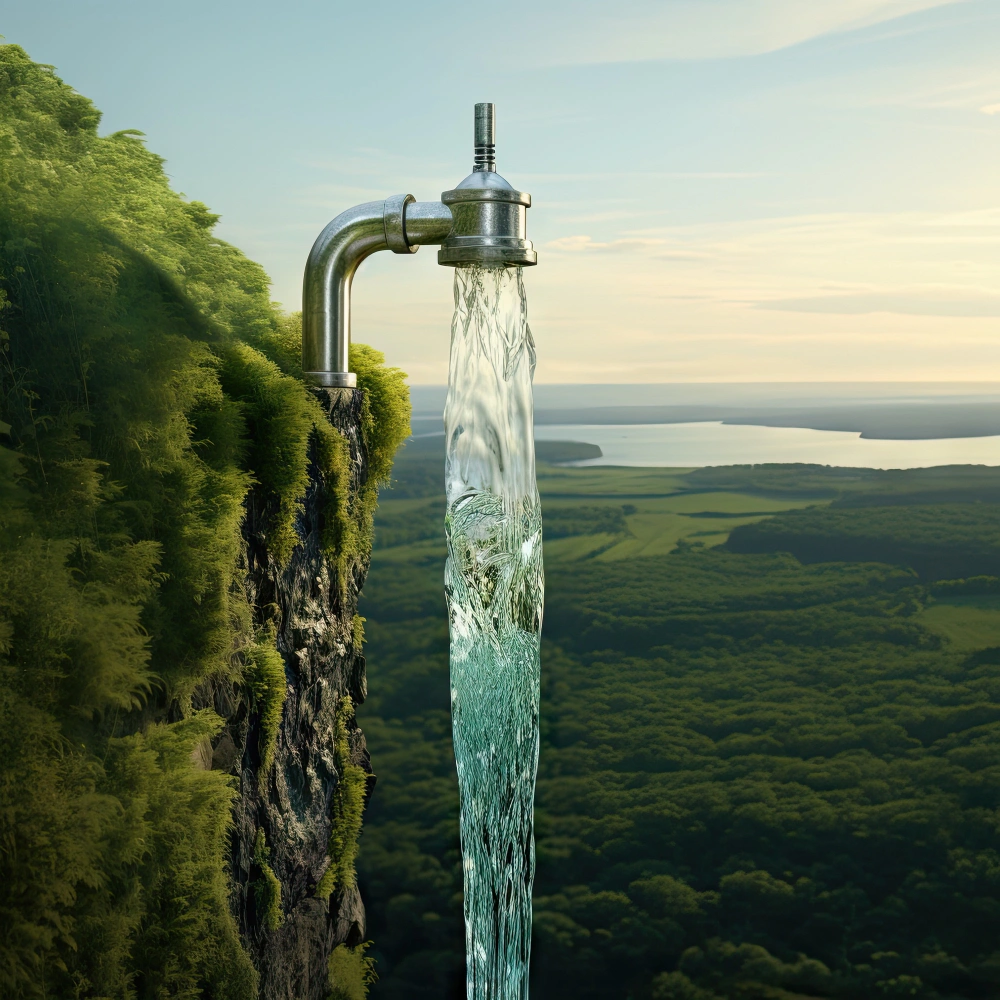
Water Management
Efficient Use of Water for a Sustainable Future
Water management is a comprehensive approach to the efficient use, conservation, and protection of water resources across all operations and activities. It focuses on reducing water wastage, optimizing consumption, and ensuring that water is used responsibly without compromising the needs of future generations.
Effective water management includes practices such as monitoring water usage, repairing leakages, adopting water-efficient systems, rainwater harvesting, and recycling wastewater wherever possible. These measures help reduce dependency on freshwater sources while maximizing the reuse of available water resources.
By implementing sustainable water management strategies, organizations can lower operational costs, reduce environmental impact, and contribute to the preservation of natural ecosystems. Proper treatment and responsible discharge of wastewater also help prevent water pollution, protecting nearby water bodies and biodiversity.
Benefits of Water Management
Smarter Water Use, Greater Impact
1.
Conserves Natural Resources
Water management helps preserve freshwater resources by reducing wastage and promoting efficient usage, ensuring long-term water availability for future generations.
2.
Reduces Water Wastage
Through monitoring, recycling, and efficient systems, water management minimizes unnecessary water loss and encourages responsible consumption.
3.
Protects the Environment
Proper water management reduces water pollution and helps protect rivers, lakes, and groundwater, supporting healthy ecosystems and biodiversity.
4.
Lowers Operational Costs
Efficient water use and reuse reduce water procurement and treatment costs, resulting in long-term financial savings.
5.
Ensures Regulatory Compliance
Adhering to water management standards and regulations helps organizations meet environmental requirements and avoid legal risks.
6.
Addresses Water Scarcity
By conserving and managing water responsibly, it helps mitigate the impact of water shortages and climate change.